Raccoon Control & Attic Problems – Los Angeles
Raccoon Control & Removal in Los Angeles
Heavy thumping in the attic, torn roof vents, and nighttime crashes on the roof are all classic raccoon signs in Los Angeles homes. This page explains how raccoon inspections, humane removal, exclusion, and attic repair work in the LA area, so you know what a proper job should look like before you hire anyone.
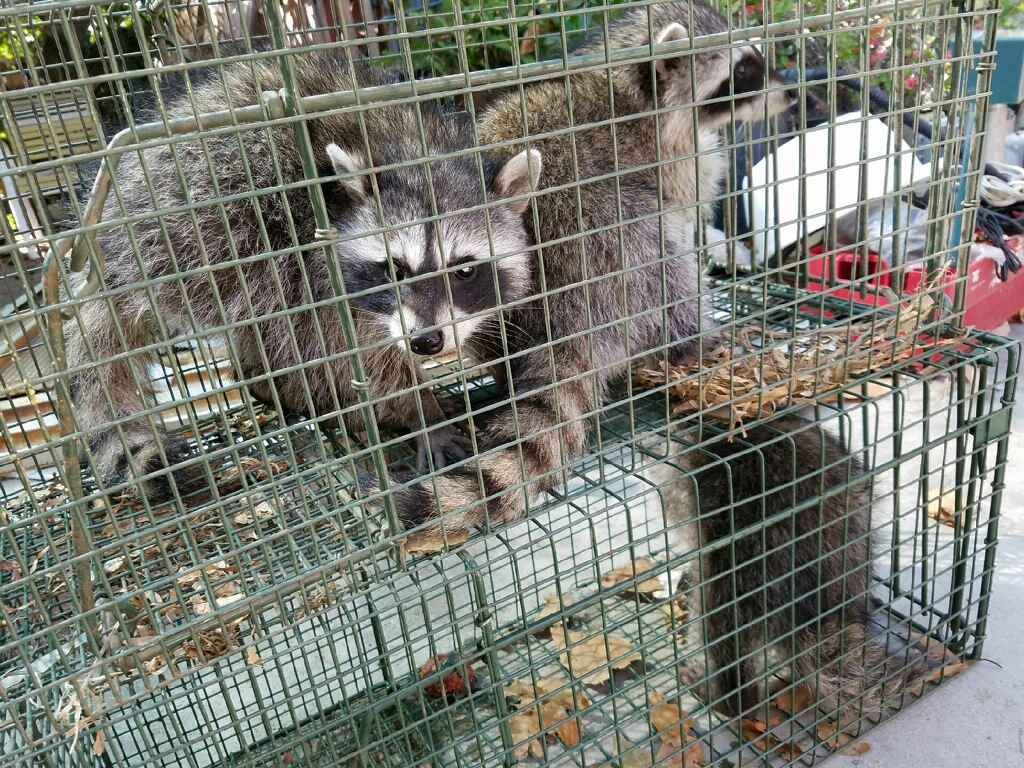
Raccoon Problems in Los Angeles Homes
Raccoons are strong, smart, and stubborn. In Los Angeles, they use fences, block walls, and trees as highways, then take advantage of weak roof vents, loose tiles, and gaps where different rooflines meet. Once they get inside an attic or crawlspace, the damage can add up fast.
Most homeowners in the LA area first notice raccoons when they hear heavy walking, thumping, or dragging sounds in the attic, especially just after dark or right before sunrise. Others spot torn shingles or vent caps, see raccoon tracks on dusty HVAC units, or find insulation pushed down around access hatches and eaves.
Raccoons are nocturnal, which means they are most active at night. During the day, they prefer to rest in tight, dark spaces like:
- Attics and flat roof sections
- Crawlspaces and low under-floor areas
- Gaps between duplexes or townhome shared walls
- Dense vines, palm trees, and overgrown corners of yards
Because raccoons can carry roundworm and other diseases, and because they are powerful animals that can bite and scratch, raccoon control is not a “simple DIY” job. The safest, quickest route is usually a professional inspection combined with a written plan for humane removal, exclusion, and attic repair.
Signs You Have Raccoons in Your Attic or Crawlspace
Not every noise in the attic is a raccoon. These are the patterns that usually point to raccoons instead of rats, mice, or smaller animals.
Typical Raccoon Noise Patterns
- Heavy footsteps or “someone walking” above the ceiling, often after dark.
- Dragging, thumping, or rolling sounds when raccoons move insulation or debris.
- A short burst of noise at dusk as they head out, and again near sunrise when they return.
Visible Damage and Evidence
- Torn or bent roof vents, sometimes pushed completely off.
- Insulation pulled back or flattened near entry points.
- Larger droppings in specific “latrine” areas in the attic or on flat roof sections.
- Raccoon tracks in dust, on AC units, or on top of ductwork.
- Trash cans repeatedly tipped over or raided at night.
If you hear noises during the day and at night, you may be dealing with a mother raccoon with young kits in the attic. In those situations, it is extremely important that removal and exclusion are handled carefully so babies are not trapped inside.
How a Professional Raccoon Inspection Works in Los Angeles
A good raccoon control job starts with a thorough inspection. You’re paying for answers, not guesses. Here’s what most reputable companies in the LA area do on a proper raccoon inspection.
1. Conversation and History
The technician will ask when you first noticed the noise, where you hear it, and whether anyone has already set traps or used poison. This helps narrow down whether raccoons, rats, or other animals are involved, and whether there might be dead animals in the structure from previous attempts.
2. Exterior and Roofline Check
The outside of the home is checked for:
- Ripped or missing roof vents and screens.
- Loose tiles, lifted shingles, or open roof returns.
- Open chimney flues, uncapped flues, or damaged spark arrestors.
- Tree branches and structures giving raccoons direct access to the roof.
3. Attic and Crawlspace Inspection
When it’s safe and accessible, the technician enters the attic or crawlspace to look for:
- Fresh and old droppings, especially in concentrated latrine areas.
- Nesting spots, flattened insulation, and urine-stained sections.
- Breaks in daylight where raccoons are entering.
- Damage to ductwork, wiring, or structural framing.
4. Photos, Explanation & Written Plan
You should see photos or videos of any entry points, damage, and heavy activity areas. A written plan usually covers three things: how to remove raccoons, how to seal the structure, and what cleanup or repairs are recommended afterward.
If a company offers to “just set a trap and see what happens” without a real inspection, that’s a red flag. Trapping without sealing the structure typically leads to new raccoons taking over the same weak spot later.
Humane Raccoon Removal, Trapping & Exclusion
Once the inspection is complete, the next step is to safely remove any raccoons in or around the home and then lock the structure down so new animals can’t move in.
Step 1: Protect People and Pets
Raccoons are powerful and can bite or scratch if cornered. Professionals use proper equipment, personal protective gear, and handling techniques. You’ll usually be asked to keep pets indoors or away from active trap areas while the work is being done.
Step 2: Humane Trapping or One-Way Devices
Depending on local regulations and the layout of the building, technicians may:
- Set humane, baited cage traps along raccoon travel paths or near entry points.
- Use one-way doors in certain situations so raccoons can exit but not re-enter.
- Carefully remove any young raccoons found in attic nests and reunite them with the mother when possible.
The goal is to remove the animals with as little stress as possible while protecting the home and everyone in it.
Step 3: Exclusion – Sealing the Structure
Raccoon exclusion is the part that actually solves the problem long-term. After or during removal, professionals will:
- Repair or replace damaged roof vents with stronger, raccoon-resistant covers.
- Patch raccoon-made holes with durable materials, not just foam or caulk.
- Add heavy-gauge screening to vulnerable eaves, returns, and low attic openings.
- Reinforce chimney caps and any openings large enough for a raccoon to exploit.
Good exclusion work is detailed and takes time. It is normal for raccoons to return and test previous entry points after they’ve been removed. Well-done repairs hold up when this happens; quick patch jobs usually do not.
Step 4: Monitoring and Follow-Up
Most raccoon control jobs include a follow-up period with trap checks or monitoring to make sure no animals remain inside. You should be told what to listen for at night and how to contact the company if you suspect the raccoons are trying to return.
Raccoon Damage, Attic Cleanup & Odor Control
Raccoons are not light-footed guests. They compress insulation, tear ducts, and can leave concentrated droppings and urine in specific areas of the attic or crawlspace.
Common Types of Raccoon Damage
- Flattened or contaminated insulation that reduces energy efficiency.
- Damaged or disconnected ductwork, leading to poor heating or cooling performance.
- Scratched, chewed, or stained roofing components near entry points.
- Latrine areas where droppings and urine are concentrated, sometimes near access hatches.
Attic Cleanup & Sanitation
After the raccoons have been removed and the structure sealed, cleanup often includes:
- Removing heavily contaminated insulation and debris.
- HEPA vacuuming droppings and dust from runways and latrine spots.
- Applying disinfectants and odor treatments to affected areas.
- Installing new insulation to meet current standards, if needed.
In some cases, a full insulation replacement is the best option; in others, targeted cleanup makes more sense. A good company will explain both options with photos and let you decide what level of restoration fits your home and budget.
How Much Does Raccoon Removal Cost in Los Angeles?
There’s no one-price-fits-all answer, but there are clear factors that drive raccoon control costs up or down in the LA area.
Main Pricing Factors
- Number and difficulty of entry points: a single easy-to-reach vent costs less to repair than multiple high, steep roof areas.
- Access to the attic or crawlspace: tight, low, or obstructed spaces take more time and effort.
- Extent of contamination: a short-term raccoon visit usually causes less damage than a long-term den site with babies.
- Level of cleanup and restoration you choose: spot cleaning vs. full removal and re-insulation.
Typical Timeline
Many raccoon jobs in Los Angeles follow a similar timeline:
- Day 1–3: Inspection, setup of traps or one-way devices, initial exclusion where appropriate.
- Day 3–10: Ongoing trapping and monitoring, additional sealing as needed.
- Day 7–14: Final checks to confirm no more activity, followed by cleanup and repair work.
The exact schedule depends on weather, roof access, and how quickly raccoons are captured or move through one-way devices. A detailed inspection and written estimate are the only way to get real numbers for your specific home.
DIY vs. Professional Raccoon Control in Los Angeles
It’s understandable to want to solve a raccoon problem yourself, but there are real safety and legal issues to keep in mind, especially when climbing on roofs or working near power lines and tight attic spaces.
What Homeowners Can Usually Handle
- Securing trash can lids and moving pet food indoors at night.
- Trimming tree branches away from the roofline when it can be done safely from the ground.
- Closing easy access spots like open crawlspace doors or broken lattice panels.
- Documenting noise patterns, damage, and where raccoons travel for your inspector.
What’s Better Left to Professionals
- Working on steep roofs, ladders, and two-story access points.
- Handling raccoons directly or approaching trapped animals.
- Entering attics or crawlspaces with droppings, urine, or limited ventilation.
- Installing heavy-duty roof vent covers, chimney caps, and structural exclusion materials.
If you decide to bring in professional help, use this page as your checklist. Ask about inspection quality, photos, written plans, humane methods, and exactly how they will seal your home so raccoons can’t come back.
When you’re ready to talk with a raccoon control specialist serving the Los Angeles area, you can reach out to a local company directly or call (310) 547-7681 for help getting connected.
Hearing Heavy Footsteps in Your Attic?
Take notes on when you hear the noise, where it’s loudest, and where you see damage on the roof or around vents. Then schedule a proper raccoon inspection so you can stop guessing and get a clear plan to protect your home.
Raccoon Control FAQ – Los Angeles
Quick answers to common questions about raccoon removal, attic damage, and safety in Los Angeles homes and rental properties.
Are raccoons dangerous to people or pets?
Raccoons are wild animals and can bite or scratch if cornered. They can carry parasites and diseases, including raccoon roundworm. Most raccoons would rather avoid people, but it’s not safe to approach or try to handle them. Keep pets away from active raccoon areas and let trained professionals handle removal and exclusion.
Can I just use poison to get rid of raccoons?
Poison is not an appropriate way to deal with raccoons. It is inhumane, can be illegal depending on the product, and often leads to dead animals in walls, attics, or crawlspaces, which creates strong odors and sanitation issues. Humane trapping, one-way devices, and proper exclusion are the recommended methods.
What should I do if I see a raccoon during the day?
Seeing a raccoon in daylight doesn’t automatically mean it’s sick, especially in busy city environments where food is easy to find. However, if the raccoon appears disoriented, aggressive, or is acting strangely, keep your distance and contact local animal control or a wildlife professional for guidance. Do not try to chase or corner it yourself.
How long does raccoon removal usually take?
Many Los Angeles raccoon jobs take about one to two weeks from initial setup to final checks, depending on how quickly the raccoons move through traps or one-way doors and how extensive the exclusion work is. Cleanup and insulation work may add extra time, but usually can be scheduled soon after the animals are confirmed gone.
Will the city remove raccoons from my attic for free?
City and county animal control departments in the Los Angeles area generally respond to injured, aggressive, or sick animals in public spaces. They usually do not perform full attic inspections, sealing, or cleanup for private homes. For raccoons in your attic, crawlspace, or chimney, you will almost always need a private wildlife control company.
What if I rent and think there are raccoons in the building?
If you are a tenant and hear heavy noise in the attic or see raccoon damage, document what you’re hearing and seeing, then notify your landlord or property manager in writing. In many cases they are responsible for arranging professional inspection and repairs. This page can help you understand the process and what to expect from the company they hire.
How can I prevent raccoons from coming back after removal?
The most important step is thorough exclusion: sealing or reinforcing every active and potential entry point. Beyond that, keep trash secured, avoid leaving pet food outside at night, trim branches away from the roof when safe to do so, and address any damaged vents or openings as soon as you notice them. Raccoons remember easy access points and food sources, so removing both is key.