Bird & Pigeon Control – Los Angeles Roofs & Solar Panels
Bird Control & Pigeon Removal in Los Angeles
Pigeons roosting on ledges, nesting under solar panels, and birds loading your roof and walkways with droppings aren’t just annoying – they can cause real damage and health concerns over time. This page explains how professional bird control works in Los Angeles, from solar panel pigeon proofing and ledge deterrents to cleanup, sanitation, and long-term prevention, so you know what a proper job should look like before you hire anyone.
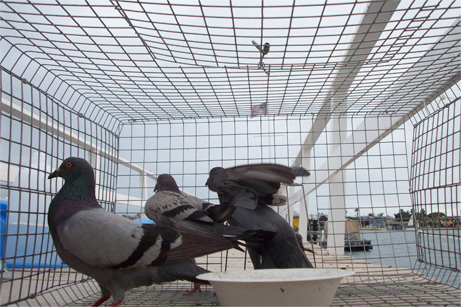
Bird Problems in Los Angeles: Why Pigeons Pick Your Roof
Los Angeles buildings give pigeons and nuisance birds everything they want: tall spots to roost, protected ledges, warm solar panels, food nearby, and very few natural predators. Once a flock decides your roof, balcony, sign, or panel array is home base, they tend to stick with it until something actively changes the situation.
Most property owners first notice bird problems when they see heavy droppings around entrances, on driveways, or under power lines and roof edges. Others discover the issue when they finally look under their solar panels and see nesting material, eggs, feathers, and droppings packed along the entire array. Over time, this buildup can damage roofing materials, stain surfaces, clog gutters, and create odors and health concerns.
Common bird and pigeon issues across Los Angeles include:
- Pigeons nesting under solar panels: panels create dry, shaded, predator-safe real estate that pigeons love.
- Roof and ledge roosts: birds line up along parapet walls, beams, and signs, dropping waste on everything below.
- Balcony and walkway mess: droppings accumulate on stairs, rails, and entries, making areas unsanitary and slippery.
- Noise and early-morning activity: cooing, fluttering, and constant traffic as birds move in and out of nesting areas.
Bird control is not about hurting birds. It’s about changing your structure so it is no longer the best spot on the block for them to live. That usually means a mix of physical barriers, cleanup, and sometimes behavior change on the human side (like managing food sources).
How Professional Bird Control Works in Los Angeles
While every building is different, most reputable bird and pigeon jobs follow the same core process: inspection, cleanup, installation of physical deterrents, and follow-up. Knowing these steps helps you separate quick patch jobs from long-term solutions.
1. Inspection: Mapping Roosts, Nests & Mess
The first step is a detailed inspection of the building exterior and any interior areas affected by bird activity. A bird control tech will look for:
- Primary roosting spots: beams, ledges, signs, parapet walls, balconies, and rooftop edges where birds line up to rest and watch for danger.
- Nesting areas: under solar panels, inside open eaves, on top of lights, or behind signs where birds have protection from sun and predators.
- Dropping patterns: where waste is landing – walkways, entrances, parking areas, HVAC units, and patios – which often become the main complaints.
- Food and water sources: nearby dumpsters, feeding areas, standing water, or open trash that keep birds returning.
A good inspection includes photos and a clear explanation of what species you’re dealing with (usually pigeons on residential properties in Los Angeles), and which areas are most critical to address first.
2. Solar Panel Pigeon Proofing
Solar panels are one of the biggest bird control issues in Southern California. Panels give pigeons shade, shelter from hawks, and a safe place to raise young. Over time, nests and droppings collect under the array and along the roof edge.
Professional solar panel pigeon proofing typically includes:
- Careful access and safety setup: using proper ladders, roof gear, and sometimes lift equipment for multi-story buildings.
- Cleaning under panels: removing nesting materials, droppings, feathers, and debris by hand and with tools designed for roof work.
- Disinfection where appropriate: applying products to treat heavily contaminated areas and reduce health risks.
- Panel edge screening: installing non-invasive mesh or barrier systems around panel edges so birds can’t get back underneath, without drilling into the panels.
Done properly, solar proofing is almost invisible from the ground but completely changes the “real estate value” of your array for pigeons. They can still fly over and land briefly, but they can’t nest and live under the panels anymore.
3. Ledge, Sign & Roof Deterrents
Outside of solar panels, pigeons and nuisance birds live by a simple rule: find the highest, safest, flattest surface they can. Bird control makes those surfaces uncomfortable to use, without harming the birds.
Common deterrents in Los Angeles include:
- Bird spikes: rows of flexible spikes installed on narrow ledges, sign tops, and parapet walls where birds like to perch. Spikes don’t hurt birds; they make it awkward for them to land.
- Bird slopes or ledge modifications: angled surfaces that remove the flat resting area birds love, often used on window ledges and wide architectural details.
- Netting systems: used in loading docks, building alcoves, and overhangs to block entire zones from bird access.
- Wire and post systems: low-profile wires stretched across ledges that make it harder for birds to settle comfortably.
The best solution depends on the architecture of your building, how visible the area is from the street, and how heavy the existing activity is. A proper plan matches deterrents to specific zones instead of slapping one product everywhere.
4. Cleanup, Sanitation & Safety
Bird droppings aren’t just ugly. In large amounts they’re corrosive and can contribute to slip hazards and health concerns, especially in commercial entryways and food-related settings. In attics, mechanical rooms, and roof areas, droppings can build up around HVAC units and drains.
Bird cleanup and sanitation typically includes:
- Protective gear: technicians wear appropriate PPE to reduce exposure to dust and droppings.
- Physical removal of droppings and nests: scraping, shoveling, and bagging built-up material.
- HEPA vacuuming where needed: especially in enclosed or semi-enclosed spaces with heavy accumulation.
- Disinfection: applying products to treat surfaces that had significant droppings and nesting activity.
- Waste disposal: removing bagged debris from the site according to local requirements.
Cleanup makes your property safer and also resets the clock. Once deterrents are in place and droppings are removed, it’s much easier to see any fresh activity down the road.
5. Follow-Up & Long-Term Bird Management
Bird control isn’t always a one-and-done situation, especially in dense areas of Los Angeles where pigeons are used to being fed and buildings are close together. Many providers recommend:
- Periodic inspections of high-risk roof and ledge areas.
- Checking solar panel barriers after severe weather or roof work.
- Reviewing food and trash management if birds start to return.
The goal is to keep your building from becoming the neighborhood’s favorite bird hangout spot again. With the right combination of physical barriers and good habits, long-term bird pressure can be dramatically reduced.
DIY Bird Control vs. Hiring a Pro in Los Angeles
Some bird problems are mostly about food and bad habits. Others involve roof access, ladders, and working around live electrical equipment and solar arrays – places where DIY can get risky fast.
What You Can Usually Handle Yourself
- Stop the buffet: avoid feeding pigeons, and discourage neighbors from doing it near your building. Secure trash, and keep dumpster lids closed.
- Clean up food spills: sweep or wash down outdoor eating areas, patios, and sidewalks where food debris builds up.
- Limit open water sources: repair leaking spigots and avoid leaving plant saucers and containers full of standing water.
- Use light visual deterrents in small areas: reflective tape or simple noise-makers can sometimes help in low-pressure situations like small backyard gardens.
When Professional Bird Control Makes More Sense
- Birds are nesting under solar panels or high roof features that require ladder or roof access.
- There is heavy, repeated droppings on walkways, balconies, or building entrances.
- You manage a commercial property, HOA, or multi-unit building where liability and appearance matter.
- Prior DIY attempts with plastic owls, noise devices, or gels haven’t worked.
- There is a long history of pigeons using your building as a primary roost.
A professional inspection gives you a realistic picture of what it will take to move birds off your building and keep them from immediately coming back. To speak with a bird control specialist serving the Los Angeles area, call (310) 547-7681.
Bird Prevention Tips for Los Angeles Properties
Once major issues are fixed, these habits help keep pressure low:
- Stay consistent with trash management and cleaning around dumpsters.
- Discourage hand-feeding pigeons near your building or parking lot.
- Keep outdoor seating areas wiped down and free of leftover food.
- Schedule regular roof checks, especially if you have solar panels.
- Address minor bird activity early before it turns into a full nesting colony.
Bird Control Pricing & What to Expect in Los Angeles
Bird and pigeon jobs range from small, single-ledge fixes to full-building solar panel proofing and netting projects. The cost depends heavily on access, building size, and how long birds have been using the structure.
What Affects the Cost of Bird Control?
- Building height and access: one-story homes are faster and safer to work on than tall, steep roofs or multi-story commercial sites.
- Size and complexity of the roof/solar system: larger arrays and complicated rooflines take more materials and time.
- Amount of cleanup required: thick droppings and nesting buildup add labor and disposal costs.
- Number of ledges and problem zones: treating a single balcony is different from addressing an entire facade and multiple signs.
- Type of deterrents used: netting, wire systems, and custom brackets can cost more than basic spikes alone but may be the right choice for certain architectures.
A solid estimate breaks the job into pieces – solar panel proofing, ledge deterrents, cleanup, and follow-up – so you can see where the numbers are coming from and prioritize if needed.
What a Complete Bird Control Job Should Include
While the exact products and layout change from property to property, a thorough bird control project in Los Angeles usually includes:
- A real inspection with photos and notes explaining the bird pressure zones.
- Cleaning and removal of existing nests and droppings in treatment areas.
- Installation of appropriate deterrents: panel barriers, spikes, slopes, wires, or netting as needed.
- Basic disinfection in the worst-contaminated spots.
- A summary of what was done, what areas were treated, and any recommendations for future maintenance.
When those pieces are in place, bird control shifts from a constant battle with mops and hoses to a managed, predictable part of caring for the property.
Need Bird or Pigeon Control in Los Angeles?
If you’re seeing nests under your solar panels, droppings on walkways, or pigeons lined up on your roof every day, it may be time for a professional bird control plan. A specialist can inspect the building, explain your options, and put together a solution that actually lasts.
Bird Control FAQ – Los Angeles
Here are answers to some of the most common questions Los Angeles property owners ask about pigeon and bird problems.
Why are pigeons suddenly nesting under my solar panels?
Solar panels create a perfect combination of shade, shelter, and safety from predators. Once a few pigeons start nesting under an array, others quickly learn the spot is safe and join in. Without physical barriers installed around the panel edges, there’s nothing to stop new birds from moving in year after year.
Are bird droppings dangerous?
In small amounts outdoors, droppings are mostly just a nuisance. In large, built-up deposits, they can contribute to slip hazards, damage building materials, and create conditions where certain fungi and bacteria can thrive. That’s why heavy roost areas near entrances, walkways, and HVAC equipment should be cleaned and treated professionally.
Will plastic owls or fake predators solve a pigeon problem?
Decoys and visual deterrents may help for a short time, especially if birds are not very committed to the site yet. Once pigeons have nested and raised young on a building, they usually ignore plastic owls, snakes, and similar items. Long-term control almost always requires physical barriers and ledge modifications.
Do bird spikes hurt the birds?
Quality bird spikes are designed to keep birds from comfortably landing and roosting, not to injure them. The spikes make the surface uneven so birds choose a different spot. When installed correctly on appropriate surfaces, they’re a humane and effective deterrent.
How long does bird control work last?
Many deterrent systems, like solar panel barriers, spikes, and netting, can last for years with minimal maintenance if they’re installed correctly and not damaged by unrelated roof work or severe weather. Regular inspections help catch any issues early so they can be repaired before birds move back in.
Can I clean heavy bird droppings myself?
Light droppings on small outdoor areas can often be rinsed away with basic protective gear and cleaners. Thick accumulations on roofs, rafters, or near HVAC units are better handled by professionals with the right safety equipment, vacuums, and disinfectants. Disturbing large deposits without proper protection can release dust you don’t want to breathe.
Who should I call for bird control in Los Angeles?
For serious roof, solar panel, or commercial bird problems, you’ll usually need a wildlife or bird control company that specializes in structural work, not just general pest control. This page is built to help you understand the process and ask the right questions. To connect with a bird control specialist serving the Los Angeles area, call (310) 547-7681.
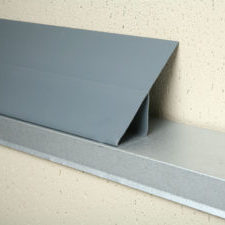
Bird Slide
Completely protects ledges against all bird species; they can't get a grip and slide right off. When color-matched, BirdSlide looks like it's part of the architecture.
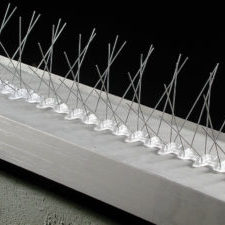
Bird Flite
Bird-Flite is installed on thousands of U.S. buildings with an incredible success rate. Its stainless steel rods and U.V.-resistant polycarbonate base are very durable.
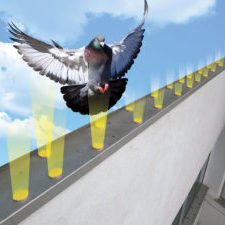
Optical Gel
Optical Gel™ is a multi-sensory bird repellent. Birds see dishes of fire and avoid them immediately.
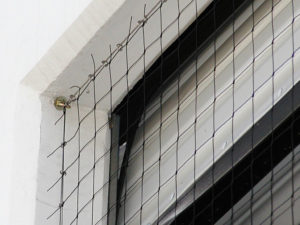
Stealth Netting
StealthNet is the strongest and most versatile bird exclusion system in the world. StealthNet denies pest birds access to any architectural configuration.
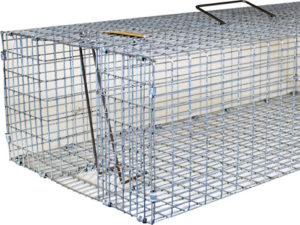
Bird Trapping
We offer a variety of traps for Pigeons, Starlings and Sparrows.
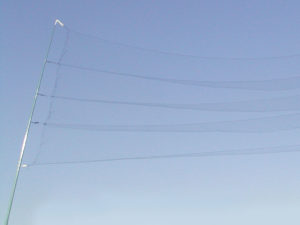
Mist Net
Mist Nets are used to remove birds from the interior of a building. They are made of ultra-fine black twine in a 3/4-inch mesh.
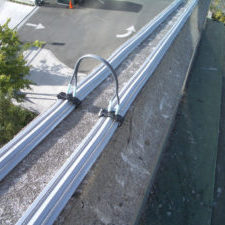
Flex Track
Bird-Shock Flex-Track is a low-profile ledge deterrent system that's effective against all species of birds using the principle of fear and flight, teaching birds to stay away.
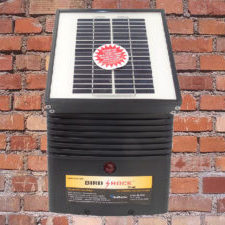
Bird Shock Boxes
Solar powerboxes support up to 1,000 feet of track. It provides plenty of shock and can be installed anywhere that gets several hours of sunlight every day. Different boxes may vary total feet of track.
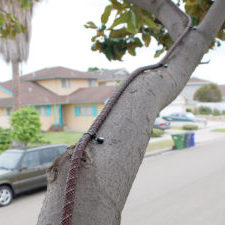
Tree Shock
Tree-Shock is an attractive, effective, long-lasting solution that actually conditions the birds to leave the protected tree for good.